Many people use the terms “trademark” and “copyright” interchangeably. But while both protect intellectual property, they serve very different purposes. If you are building a brand, writing a book, designing a logo, launching a product, or creating online content, understanding the difference between trademark and copyright is important. Choosing the wrong protection can leave your work exposed to copying, misuse, or legal disputes. In this guide, we will break down how trademarks and copyrights work, what they protect, and when you may need one or both.
Intellectual property refers to creations of the mind. This can include:
Brand names
Logos
Books
Music
Videos
Software
Artwork
Slogans
Product designs
Trademark and copyright laws exist to help creators and businesses protect these assets from unauthorized use. Although both fall under intellectual property law, the protection they provide is completely different.
A trademark protects brand identity elements that help customers recognize a business or product. This includes:

Business names
Logos
Taglines
Symbols
Product names
Packaging designs
The purpose of a trademark is to prevent customer confusion in the marketplace. For example, companies trademark their names and logos so competitors cannot legally copy them and mislead customers.
Common Trademark Examples:
Trademark Element | Example
Brand Name | Nike
Logo | Apple logo
Slogan | “Just Do It.”
Product Name | Coca-Cola
A trademark can last indefinitely as long as it remains in active commercial use and renewals are maintained.
If you are unsure whether your business even needs protection, understanding trademark protection can help you make a clearer decision.
Copyright protects original creative works. This protection applies automatically once the work is created and fixed in a tangible form.
Copyright commonly protects:
Books
Blog posts
Songs
Paintings
Videos
Films
Software code
Photographs
Website content
Unlike trademarks, copyright focuses on creative expression rather than brand identity.
The biggest difference between trademark vs copyright is what each one protects.
| Feature | Trademark | Copyright |
|---|---|---|
| Protects | Brand identity | Creative works |
| Covers | Names, logos, slogans | Books, music, art, videos |
| Purpose | Prevent market confusion | Protect creative ownership |
| Duration | Potentially forever | Limited legal term |
| Registration | Recommended | Automatic upon creation |
In simple terms:
A trademark protects your brand.
Copyright protects your creative content.
You should consider trademark protection if you are building a recognizable business or public brand.
Businesses That Commonly Need Trademarks:
E-commerce brands
Publishing companies
Clothing brands
Software startups
Restaurants
Content creators
Agencies
Without trademark protection, another business could potentially use a similar name or logo and confuse your customers.
Benefits of Trademark Registration:
Exclusive rights to your brand identity
Stronger legal protection
Increased business credibility
Protection against imitators
Easier enforcement online
For growing businesses, trademarks become valuable long-term assets.
Unlike many legal protections, trademarks can last a very long time if they are actively used and properly maintained. Understanding <a href=”https://trademarkswyft.com/blog/how-long-does-a-trademark-last/”>how long a trademark lasts</a> is important for long-term brand planning, especially if you are investing heavily in brand identity.
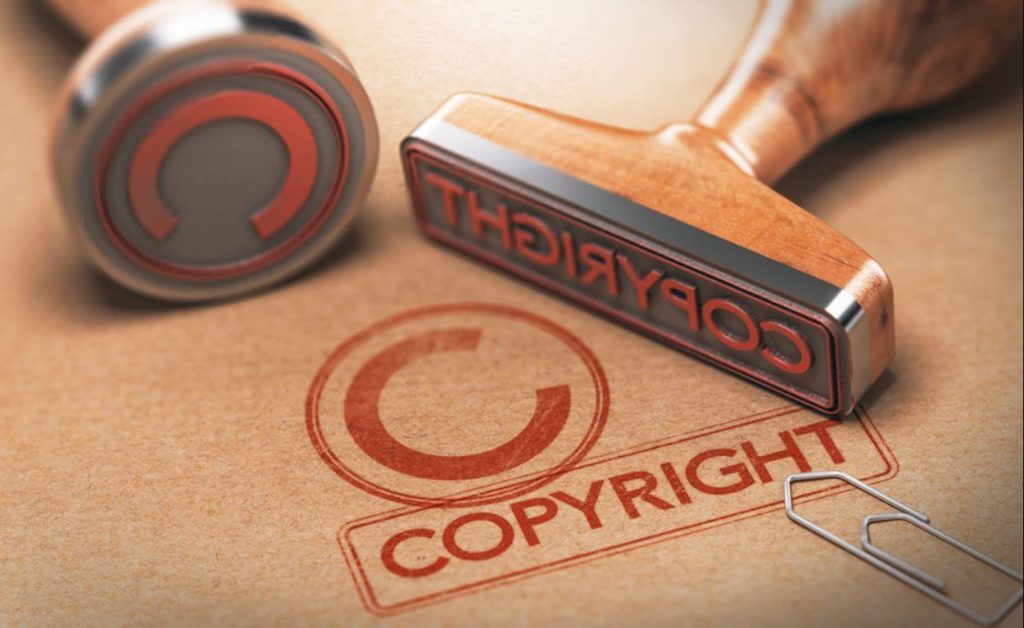
Copyright matters when you create original content or artistic work. Writers, musicians, filmmakers, designers, and marketers rely heavily on copyright law.
Creators Who Benefit from Copyright:
Authors
Bloggers
Graphic designers
Photographers
Video creators
Software developers
Musicians
Copyright prevents others from copying or profiting from your work without permission. For example, if someone republishes your blog or book without your consent, copyright law grants you the legal right to challenge the infringement.
Yes. In some situations, a work can qualify for both.
For example:
A logo design may be copyrighted as artwork.
The same logo may also be trademarked as a brand identifier.
This is common with businesses that invest heavily in branding.
Example:
A company mascot could receive:
Copyright protection for the artistic design
Trademark protection for brand recognition
Using both protections together creates stronger intellectual property security.
Trademark registration usually happens through a government intellectual property office. In the United States, trademarks are registered through the United States Patent and Trademark Office (USPTO).

Basic Trademark Registration Steps:
Search for existing trademarks
Prepare the trademark application
Submit the filing
Respond to any office actions
Receive approval and registration
The process can take several months, depending on complexity and legal review.
Copyright protection exists automatically once original work is created. However, official registration offers additional legal benefits.
Benefits of Registering Copyright:
Stronger evidence of ownership
Ability to file infringement lawsuits
Potential statutory damages
Easier licensing opportunities
In the United States, copyright registration is handled through the U.S. Copyright Office.
Myth 1: Copyright Protects Business Names
It does not. Business names and logos are generally protected through trademark law, not copyright.
Myth 2: Trademarks Automatically Happen
Some rights can exist through usage, but federal registration provides stronger legal protection.
Myth 3: Copyright Requires Registration First
Original work receives automatic protection upon creation.
Myth 4: Trademarks Expire Quickly
Trademarks can last forever if properly maintained and actively used.
Online creators often need both forms of protection.
| Online Asset | Best Protection |
|---|---|
| Brand logo | Trademark |
| Website articles | Copyright |
| Podcast name | Trademark |
| Course videos | Copyright |
| App name | Trademark |
| Ebook | Copyright |
Digital businesses rely heavily on intellectual property, making protection more important than ever.
Ask yourself this simple question:
Are you protecting a brand or creative content?
If it is a brand identifier, you likely need a trademark.
If it is original creative work, you likely need copyright protection.
Sometimes businesses benefit from using both strategically.
Protecting a logo? → Trademark
Protecting a novel? → Copyright
Protecting a business slogan? → Trademark
Protecting website content? → Copyright
Understanding the difference early can help avoid expensive legal problems later.
Your intellectual property may become one of your most valuable assets. Without protection, competitors or bad actors may copy your work, damage your reputation, or profit from your efforts.
Strong intellectual property protection helps:
Build brand authority
Increase business value
Prevent unauthorized copying
Support licensing opportunities
Protect long-term growth
Whether you are an entrepreneur, writer, or creator, protecting your work should never be an afterthought.
Understanding the real difference between trademark and copyright is essential for creators and businesses alike. A trademark protects your brand identity, while copyright protects your original creative work.
Although they serve different purposes, both play a major role in intellectual property protection. If you are building a business, publishing content, or creating digital assets, knowing when to use each protection can save you time, money, and legal stress in the long run.
If you’re ready to take the next step, visit Trademarks Swyft to get started and protect your brand before someone else does.
